
Top 5 Solutions for Managing Ankle Pain Linked to Arthritis
- Shelain Patel

- Feb 3
- 3 min read
Ankle pain caused by arthritis can make everyday activities difficult and frustrating. When the joints in your ankle become inflamed or damaged, it affects your mobility and quality of life. Fortunately, there are effective ways to manage this pain and improve function. This post explores the top five solutions for dealing with ankle arthritis, focusing on practical approaches that can help reduce discomfort and support rehabilitation.
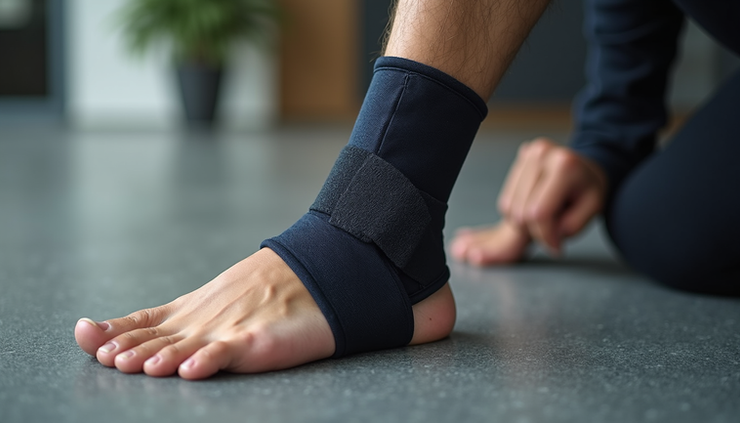
1. Physical Therapy and Rehabilitation Exercises
One of the most effective ways to manage ankle pain from arthritis is through targeted physical therapy. Rehabilitation focuses on strengthening the muscles around the ankle, improving flexibility, and maintaining joint function. A physical therapist can design a personalized exercise plan that includes:
Range of motion exercises to keep the joint flexible.
Strengthening exercises for the calf, shin, and foot muscles to support the ankle.
Balance training to reduce the risk of falls and improve stability.
Regular rehabilitation sessions can reduce stiffness and pain, making daily movements easier. For example, gentle ankle circles or towel stretches can be done at home to maintain mobility between therapy visits.
2. Medications to Control Pain and Inflammation
Medications play a key role in managing ankle arthritis symptoms. Over-the-counter options like acetaminophen or nonsteroidal anti-inflammatory drugs (NSAIDs) such as ibuprofen can help reduce pain and swelling. In some cases, doctors may prescribe stronger pain relievers or corticosteroid injections directly into the ankle joint to provide temporary relief.
It’s important to use medications as directed and discuss any side effects with a healthcare provider. Medications can be combined with other treatments like rehabilitation to improve overall outcomes.
3. Supportive Footwear and Orthotics
Wearing the right shoes can make a significant difference for those with ankle arthritis. Supportive footwear helps reduce stress on the ankle joint and improves alignment. Look for shoes with:
Good arch support to distribute weight evenly.
Cushioned soles to absorb shock.
Wide toe boxes to prevent crowding and pressure.
Custom orthotic inserts can also be prescribed to correct foot mechanics and provide additional support. These inserts help reduce abnormal forces on the ankle, which can decrease pain and slow arthritis progression.
4. Lifestyle Modifications and Weight Management
Carrying extra body weight increases pressure on the ankle joints, worsening arthritis symptoms. Losing even a small amount of weight can reduce ankle pain and improve mobility. Alongside weight management, lifestyle changes such as:
Avoiding high-impact activities like running or jumping.
Choosing low-impact exercises such as swimming or cycling.
Using assistive devices like canes or braces when needed.
These adjustments help protect the ankle from further damage and support rehabilitation efforts.
5. Surgical Options When Conservative Treatments Fail
If ankle pain from arthritis becomes severe and limits daily activities despite conservative treatments, surgery may be considered. Surgical options include:
Ankle arthroscopy to clean out damaged tissue.
Ankle fusion to join bones and eliminate painful movement.
Ankle replacement to restore joint function with an artificial implant.
Surgery aims to reduce pain and improve function but requires careful evaluation by an orthopedic specialist. Rehabilitation after surgery is crucial to regain strength and mobility.
Managing ankle arthritis requires a combination of approaches tailored to individual needs. Physical therapy and rehabilitation exercises build strength and flexibility, medications control pain, and supportive footwear protects the joint. Lifestyle changes reduce stress on the ankle, and surgery remains an option when other treatments are not enough. By exploring these solutions, those with ankle pain linked to arthritis can find relief and maintain an active lifestyle.


Comments